

Profile Overview
-
Common Names: Black Venezuela Cory, Black Schultzei Cory, Black Aeneus
-
Scientific Name:Corydoras schultzei (Line-bred variant)
-
Family: Callichthyidae (Armored Catfish)
-
Origin: Although named "Venezuela," this specific black morph was originally developed through selective line-breeding in Germany (Hartmut Eberhardt) from C. schultzei. It is not wild-caught.
1. Appearance
The Black Venezuela Cory is prized for its rare, solid dark coloration, which provides incredible contrast against green plants and light sand.
-
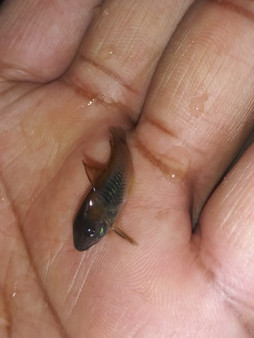
Juvenile Color Change: It is important to note that young fish often display reddish-orange fins and a lighter, bronze-like body. They darken as they mature. Do not be alarmed if young specimens look like Bronze Corys; the black pigment develops with age and good diet.
-
Body Shape: Classic Corydoras shape—stout, armored body with a flat belly.
-
Contrast: They look most stunning when kept on light-colored sand, which highlights their dark silhouette.
2. Tank Requirements & Habitat
-
Substrate (Mandatory): Like all Corys, they have delicate barbels (whiskers) used for sensing food.
-
Fine sand is required. Rough gravel will erode their barbels, causing infection and inability to find food.
Decor: Provide driftwood arches and caves. They appreciate dense planting (Java Fern, Amazon Swords) to feel secure, but open sandy areas are needed for their schooling behavior.
-
Lighting: They are naturally dim-light fish. Floating plants (like Duckweed or Frogbit) will encourage them to be more active during the day.
-
Filtration: Gentle to moderate flow. Avoid strong currents that pin them to the bottom.
This strain is tank-bred and generally hardier than wild-caught species, but they still require stable conditions.
-
Temperature: 72°F – 79°F (22°C – 26°C). Avoid temperatures above 80°F for long periods.
-
pH: 6.0 – 7.5 (Neutral to slightly acidic).
-
Hardness: Soft to Medium (2 – 15 dKH).
-
Cleanliness: High sensitivity to nitrates. Weekly water changes of 20-30% are recommended.
4. Diet & Feeding
They are active foragers but require sinking food.
Staples: High-quality sinking catfish pellets or wafers.
-
Protein Boost: To maintain that deep black color, feed frozen or live foods regularly (Bloodworms, Brine Shrimp, Daphnia).
-
Feeding Strategy: If you keep them with fast mid-water fish, feed the tank at night or use a feeding tube to ensure food reaches the substrate.
5. Behavior & Compatibility
-
Schooling: These are strictly social animals. A minimum group of 6 is required. In smaller numbers, they will be shy and stressed. A group of 10+ results in a confident "cloud" of fish moving together across the bottom.
Tank Mates:
-
Safe: Tetras, Rasboras, Hatchetfish, Gouramis, Angelfish (if the Cory is fully grown), and other peaceful catfish.
-
Avoid: Aggressive Cichlids, Red Tail Sharks, or aggressive bottom dwellers like large crayfish.
6. Breeding Note
The Black Venezuela is one of the easier Corydoras to breed in captivity.
-
Trigger: Feeding heavy protein for a week followed by a slightly cooler water change (simulating the rainy season) often triggers spawning.
-
Eggs: They deposit sticky eggs on aquarium glass or plant leaves.
-
Very rare and eye-catching corydoras catfish that loves swimming all over the place!! Great for community fish aquariums.
Size is about 0.70 inch to an inch.