
Blind Cave Tetra
Posted by Max Gandara on on 15th Jan 2026
Blind Cave Tetra Astyanax mexicanus Care Guide
The Blind Cave Tetra also known as the Mexican Blind Cave Fish is a unique freshwater fish famous for its lack of eyes and pale coloration. It is a hardy and active species that adapts well to aquarium life and makes an interesting addition to community or species only tanks.
Appearance and Size
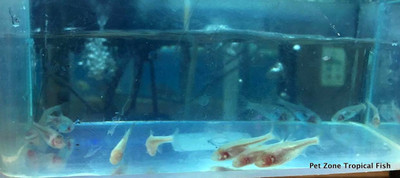
Blind Cave Tetras have a pale pinkish white to light peach body with no visible eyes. Instead of eyes they have smooth skin where the eyes would normally be. They have a deep body shape and can grow much larger than most tetras reaching about 4 to 5 inches in length. Their lateral line system is highly developed allowing them to navigate and find food easily.
Natural Habitat and Behavior
This species is native to underground caves and dark waterways in Mexico. In the wild they live in complete darkness and rely on vibrations and water movement rather than sight. In aquariums they are very active swimmers and should be kept in groups of at least five or more to reduce stress. They are not aggressive but their energetic nature can intimidate very small or slow fish.
Aquarium Requirements
A minimum tank size of 30 gallons is recommended for a small group due to their size and constant movement. Water temperature should be kept between 68 and 77 degrees Fahrenheit. The ideal pH range is 6.5 to 7.5 with moderate water hardness.
The tank should have open swimming space with some rocks driftwood or decorations placed securely. Lighting is not important for this species and can be kept low to moderate. Good filtration is necessary but avoid extremely strong currents.
Diet and Feeding
Blind Cave Tetras are omnivores and have strong appetites. They readily accept flakes pellets frozen foods and live foods. A balanced diet should include high quality pellets or flakes along with frozen or live bloodworms brine shrimp and daphnia. Feed once or twice daily and ensure food reaches all fish as they locate food by sensing movement.
Tank Mates
They are best kept with medium sized peaceful fish that can handle their activity level. Suitable tank mates include larger tetras barbs rainbowfish and peaceful cichlids. Avoid very small fish or slow moving species as they may be outcompeted for food. They are not safe with shrimp or very small invertebrates.
Breeding
Breeding Blind Cave Tetras in captivity is possible. They are egg scatterers and will spawn in groups. A separate breeding tank with slightly cooler water and fine leaved plants or spawning mops can encourage spawning. Adults should be removed after spawning to prevent egg predation. Eggs usually hatch within 24 to 36 hours and fry can be fed infusoria followed by baby brine shrimp.
General Care and Health
Blind Cave Tetras are very hardy and tolerate a wide range of conditions as long as water quality is maintained. Regular water changes and a proper diet help prevent common freshwater diseases. Their lack of eyesight is normal and not a health issue.
Summary
The Blind Cave Tetra is a fascinating and resilient freshwater fish that stands out due to its unusual appearance and behavior. With proper tank size and care it can live for many years and provide constant activity and interest in the aquarium.