
Indian Glass Fish
Posted by Max Gandara on on 29th Jan 2026
Indian Glass Fish Blog
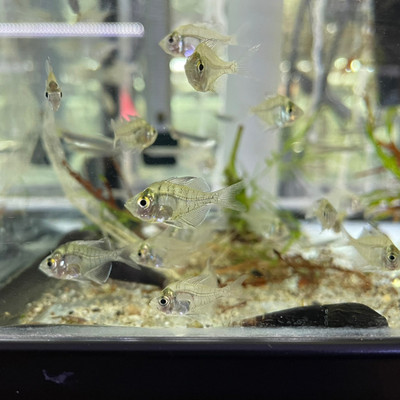
The Indian Glass Fish is a unique and fascinating freshwater species known for its almost completely transparent body. Native to slow moving rivers lakes and estuaries of South and Southeast Asia this fish is admired for its unusual appearance and peaceful nature. Its see through body allows internal organs and bones to be visible making it one of the most distinctive fish in the aquarium hobby.
Appearance and Coloration
Indian Glass Fish have laterally compressed bodies that are nearly colorless and transparent. The spine organs and swim bladder can often be seen through the body especially under good lighting. Natural specimens may show faint silver or yellow tones. Males can develop slight color highlights on the fins during breeding. Unfortunately this species has often been artificially dyed in the past which should be avoided as dyed fish are unhealthy and short lived.
Tank Size and Setup
A minimum tank size of 20 gallons is recommended for a small group. Indian Glass Fish are schooling fish and should be kept in groups of at least 6 to reduce stress and encourage natural behavior. A planted aquarium with open swimming space works best. Live plants provide security while gentle filtration and moderate lighting help them feel comfortable.
Water Parameters
Indian Glass Fish are adaptable but prefer stable water conditions. Ideal temperature ranges from 75 to 82 degrees Fahrenheit. They do well in neutral to slightly alkaline water with moderate hardness. Clean water and regular water changes are important for maintaining their health and clarity.
Diet and Feeding
These fish are omnivorous and may be picky when first introduced. They do best on a varied diet including small pellets frozen or live foods such as bloodworms brine shrimp and daphnia. Once settled they usually accept prepared foods readily. Feed small amounts one to two times daily.
Temperament and Behavior
Indian Glass Fish are peaceful and somewhat shy. When kept in proper groups they become more active and confident. They spend most of their time swimming in the middle areas of the tank and show loose schooling behavior. Stress can cause them to lose appetite or become inactive.
Tank Mates
They are best kept with other peaceful community fish. Suitable tank mates include tetras rasboras Corydoras small gouramis and peaceful loaches. Avoid aggressive species or fin nippers that may harass them.
Breeding Information
Breeding Indian Glass Fish in home aquariums is possible but not common. They are egg scatterers and provide no parental care. Spawning usually occurs in well planted tanks with stable warm water. Eggs hatch within a few days and fry require very fine foods.
Conclusion
The Indian Glass Fish is an excellent choice for aquarists looking for something truly unique. Its transparent body peaceful temperament and schooling behavior make it a captivating addition to community aquariums. With proper care stable water and gentle tank mates this remarkable fish can thrive and become a true conversation piece.